
From June 22 to 26, 2026, students at Westfield Business School experienced three Global Immersion Weeks simultaneously: Boston, Madrid–Granada, and the On-Lead Week, a virtual experience with global reach. Three formats, two continents, connected by one shared objective: understanding what it means to lead in a diverse, uncertain, and constantly changing world. Together, they brought nearly 280 emerging leaders representing more than a dozen nationalities, with professional backgrounds ranging from analysts to senior executives.
Why Global Immersion Weeks Exist
Global Immersion Weeks are not simply study trips. They are the point where the program brings together everything participants have learned and confronts it with reality. Their logic is both simple and demanding: a global leader is not developed through conceptual frameworks alone, but through direct exposure to organizations, industries, and cultures different from their own.
Each week combines three ingredients that are rarely found together: sessions led by internationally recognized professors and experts, visits to companies that open their operations to participants, and a multicultural community that turns every break into a networking opportunity. The result is experiential learning at its purest.
Boston: Leading with Sustainable Purpose
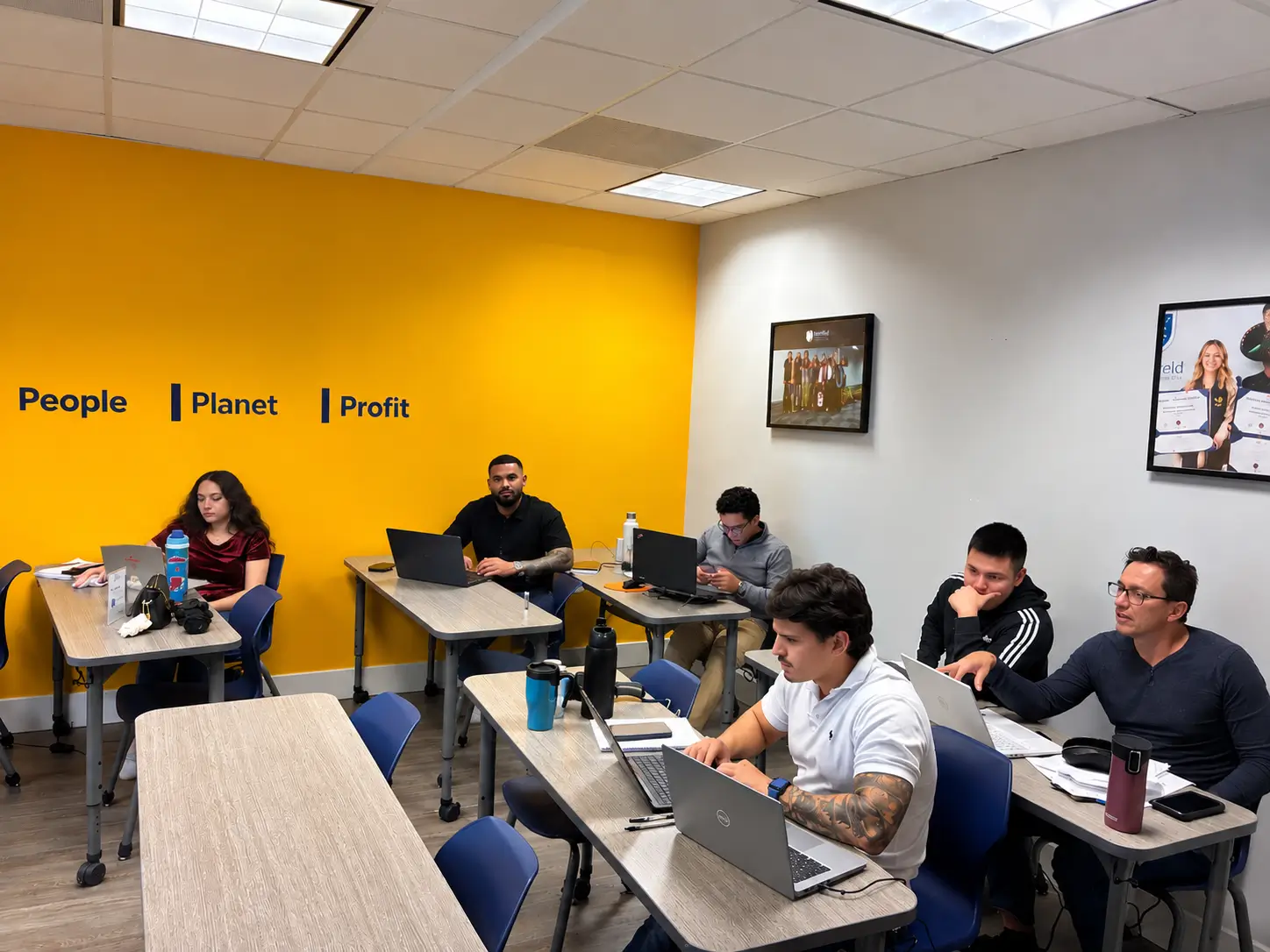
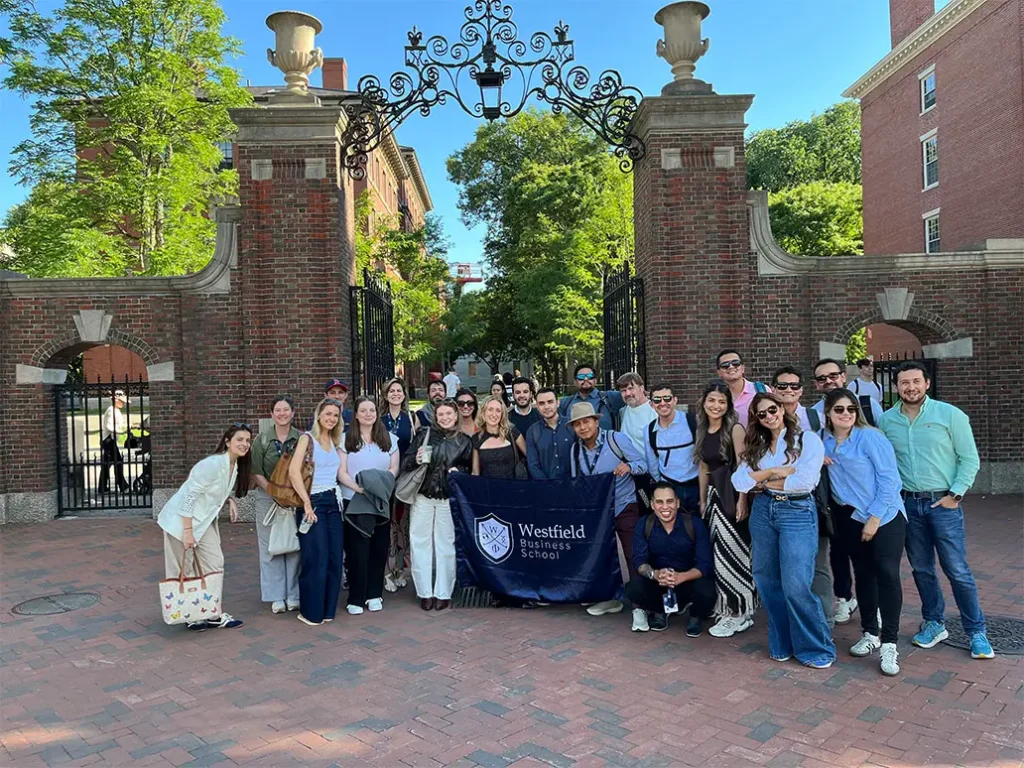
The Boston Global Immersion Week 2026 focused on Sustainable Leadership & Development and brought together 25 participants representing five nationalities, including students, alumni, and a delegation from Campus M, our academic partner in Munich. The guiding theme throughout the week was the People, Planet & Profit approach: the idea that strategy, innovation, and purpose must move in the same direction.
The opening session, held at the MIT Museum, was led by Rafael De Cárdenas, Chief Innovation Officer at Westfield and CEO of TETE, who invited participants to rethink the role institutions play in building more conscious organizations. The academic program continued with Dr. Thomas Batz, Professor of Leadership, who explored resilient organizational cultures, and with Bethany Patten, Executive Director of the MIT Climate Policy Center and Senior Lecturer at MIT Sloan, who led the C-ROADS simulator and the Breaking Through Gridlock session to address complex environmental decision-making through evidence and dialogue.
The connection with the corporate world came through Takeda. Alvaro Herreros, Head of Global Marketed Brands Unit, explained how the company integrates the Patient, People & Planet dimensions and shared a message that captured the spirit of the week: if we want to improve people’s health and society, we can only achieve it by also caring for our impact on the planet. Kyle Cahill, Global Environmental Sustainability Lead at Takeda, added another reflection on organizational culture: the more people care about becoming sustainable, the more sustainable the organization itself becomes.
Doug Rauch, founder of Daily Table and former President of Trader Joe’s, spoke about innovation and resilience with a direct warning: every company needs to remain agile—innovate or die. Curt Newton, Director of MIT OpenCourseWare, presented open education as a catalyst for developing talent on a global scale. The following days included the MIT Media Lab with Claudia Urrea (MIT pK-12 Initiative and J-WEL), a sustainability session with J. Bradley Morrison from MIT Sloan, a business conversation with Embraer on the aerospace industry, and a visit to Harvard University.
Leadership is also cultivated beyond the classroom. The iconic Boston Duck Tour and the Sam Adams Brewery Experience offered a different perspective on the city, its legacy, and the way enduring brands are built. The week concluded at MIT Sloan with Roberto Rigobon’s sessions P.R.O.M.I.S.E. & Coordination Devices and the Sustainability Workshop, followed by the Ready to Implement session, once again led by Rafael De Cárdenas, connecting every lesson learned with the real challenge ahead: transforming knowledge into decisions and impact within every organization.
Madrid–Granada: Transformational Leadership in Action
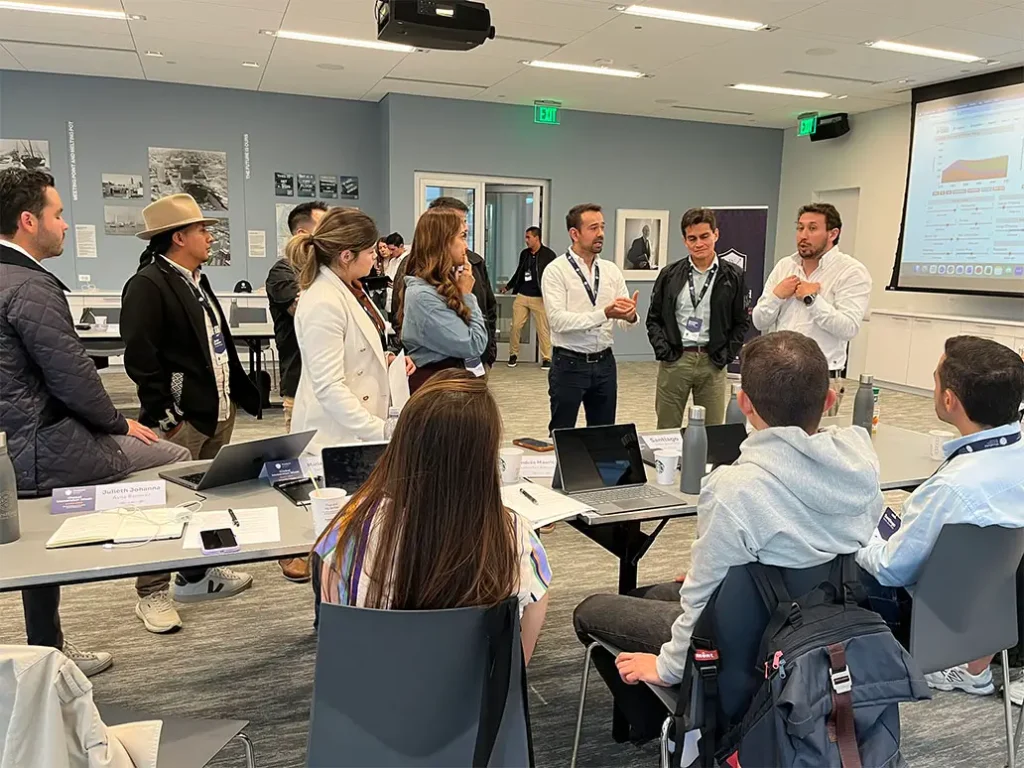
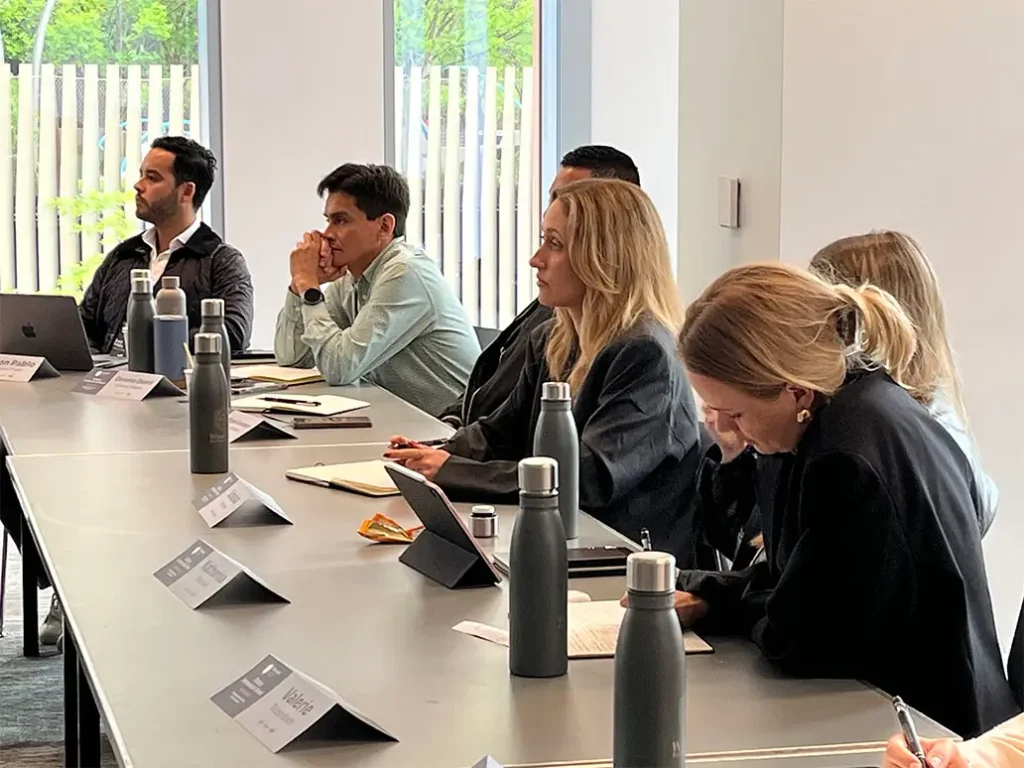
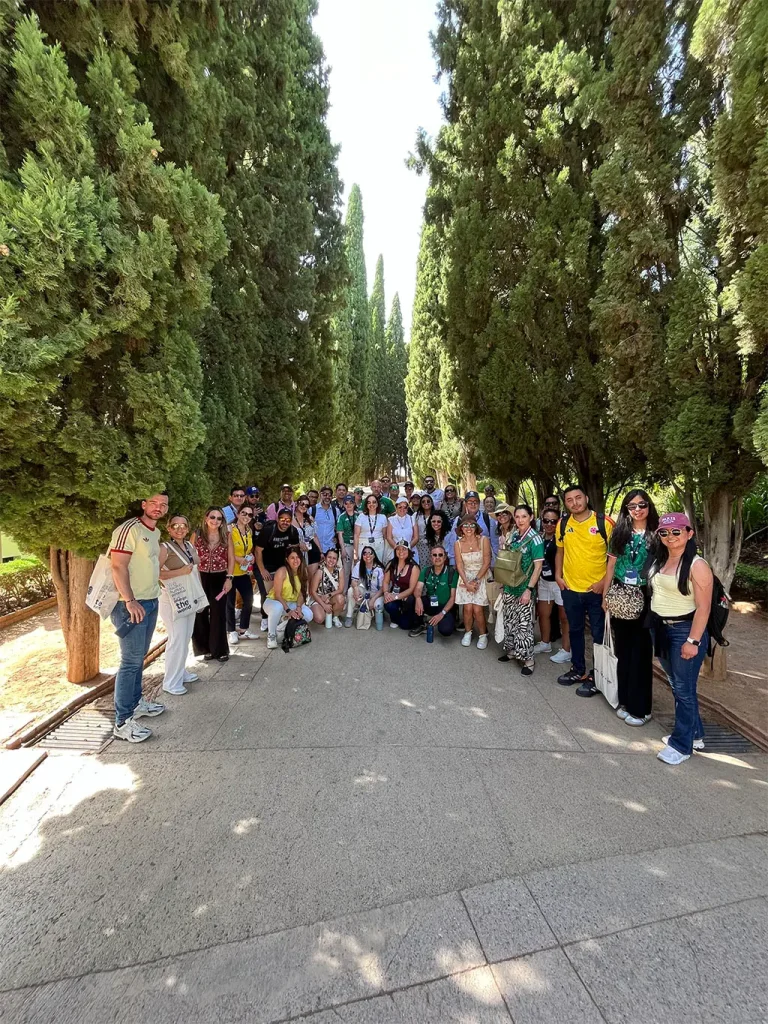
The Madrid–Granada Global Immersion Week 2026, focused on Transformational Leadership, brought together 102 participants representing 11 nationalities. The conversations reached an exceptional level thanks to the professional profile of the participants: 63 department directors, 7 CEOs, and 6 senior executives, in addition to analysts and specialists. A classroom like this turns every discussion into an exchange among peers who already lead teams and business operations.
The program began by combining academic rigor with business evidence at ESIC, one of the educational institutions within our academic ecosystem. Ignacio Maroto, Provost of Westfield, led the workshop Transformational Leadership: Navigating Complexity, exploring the transition toward BANI environments and the need to move beyond the traditional Top-Down model through empowerment and transparency. Javier Fernández-Lasquetty, advisor at Morinvest, shared lessons on defending convictions with data and innovating with sound judgment during critical moments.
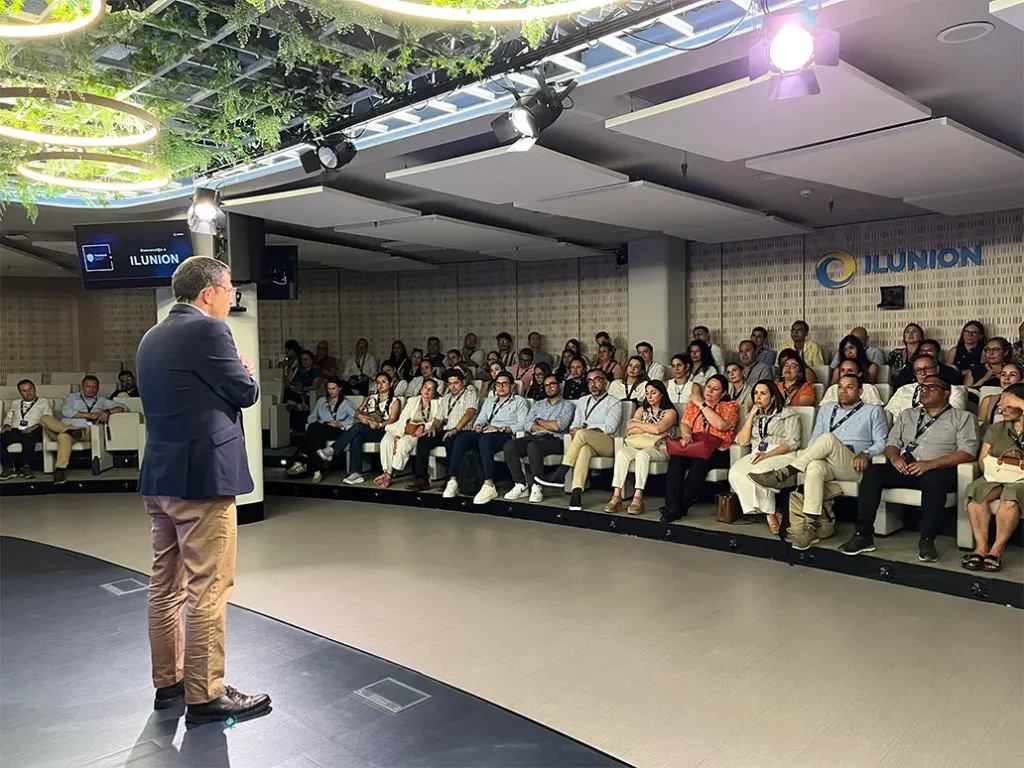
Corporate visits became one of the defining elements of the experience. At Telefónica, participants explored the 42 Madrid model, an organizational innovation laboratory that replaces hierarchy with self-management and peer evaluation. At ILUNION, they discovered a workplace inclusion model that challenges traditional paradigms, summarized in one simple idea: the organization looks for talent, not disability. The cultural agenda also included Matadero Madrid, a benchmark for contemporary creativity.
The second day featured economist Daniel Lacalle, who discussed how companies must adapt to today’s monetary and technological environment, and executive coach Eva Cerrolaza, who led a workshop on leadership and vulnerability. The visit to IDOM provided the opportunity to explore an organizational culture built around people, excellence, and responsible freedom inherited from its founder, Rafael Escolá.
Once in Granada, we gathered at our sister institution, EIG. Ignacio Castillo Díaz, Director of European Talent at Alsea Iberia, led the Collective Leadership workshop, centered on one key idea: most transformation efforts stumble because leaders, teams, and expectations fail to stay aligned. Antonio Miguel Jiménez Naveros contributed practical tools for leading teams through uncertainty. The day concluded with a visit to La Alhambra, a reminder of the importance of legacy and long-term vision. The final days included visits to Bidafarma, one of Spain’s leading pharmaceutical distribution cooperatives, and La Palma, where participants explored continuous improvement and operational excellence.
The closing ceremony reflected the quality of the entire program. Following Pedro Calvo’s workshop and the concluding remarks delivered by Ignacio Maroto, the community gathered for the EIG Academic Year Closing Ceremony and Graduation, held at the Granada Conference and Exhibition Center. It was a fitting conclusion that brought together learning, celebration, and community.
On-Lead Week: Leadership Without Borders
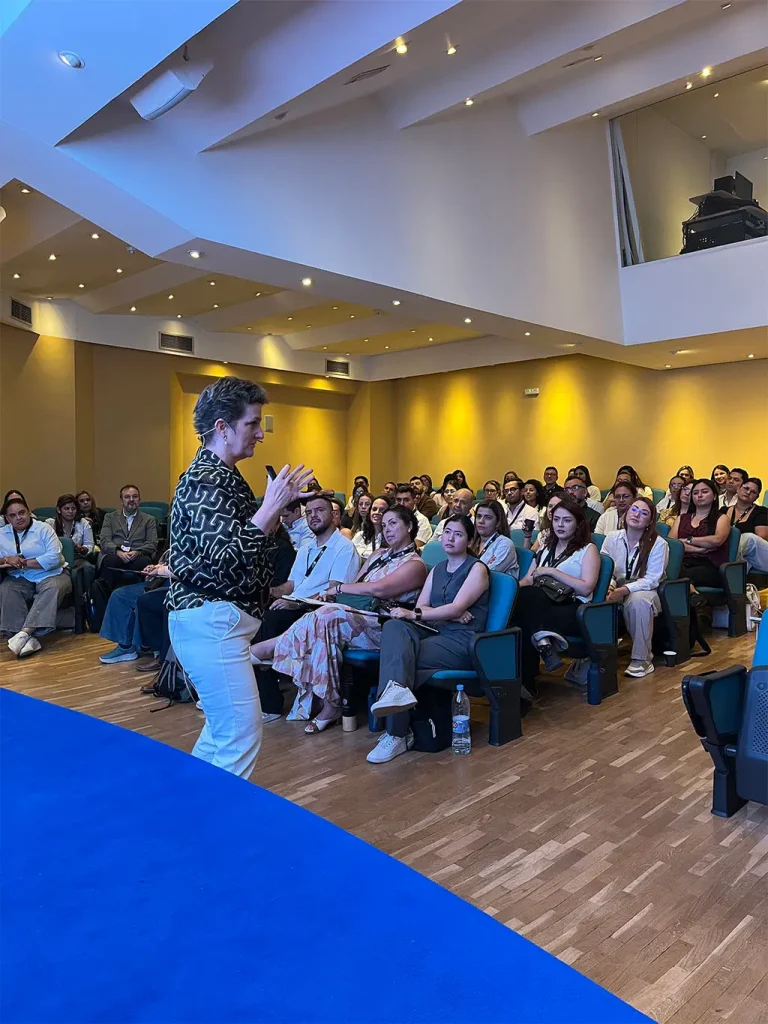
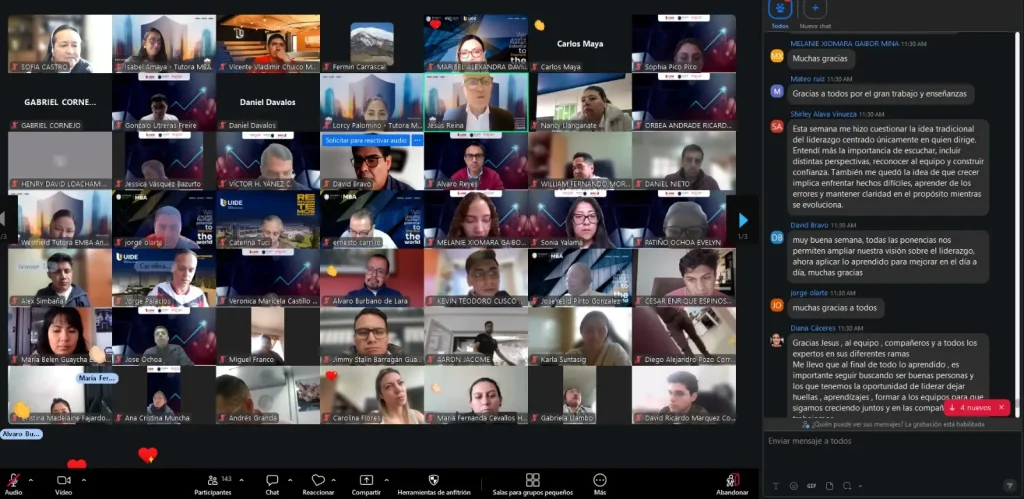
The third experience demonstrated that global immersion does not depend on a passport. The On-Lead Week, delivered in a global virtual format, brought together 153 participants representing 148 different organizations. Five days of sessions with leaders from Europe and the Americas focused on the capabilities that will define the leaders of the future.
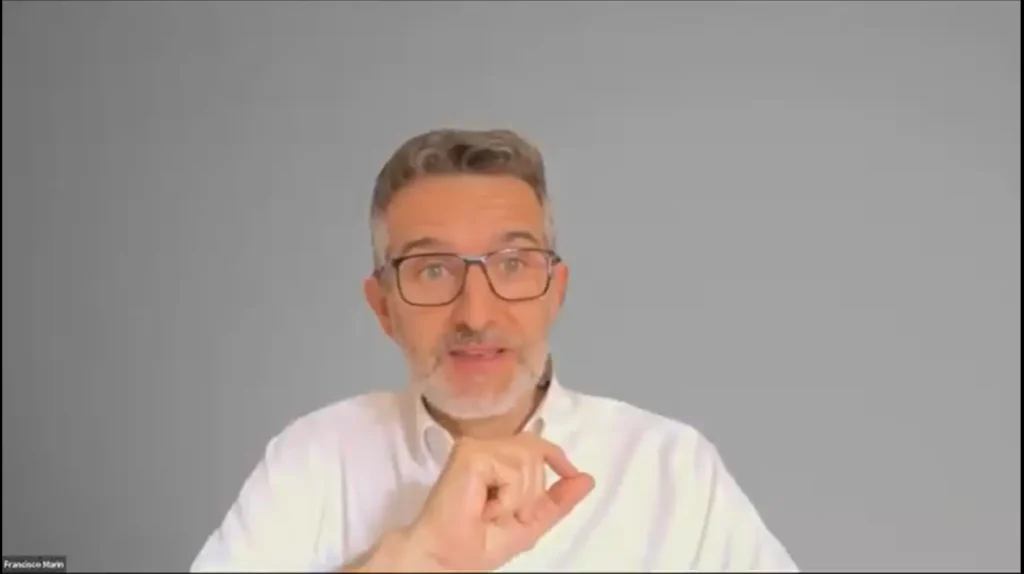
The week opened with Emilio Galli Zugaro, Member of the Board of the Allianz Cultural Foundation, who spoke about communicative leadership in times of adversity and the importance of empowering teams. Francisco Marín, from Grupo CT, demonstrated how diverse teams become a source of innovation when leaders know how to channel differences. Dr. Florian Geuppert defended humility and active listening as essential qualities for making decisions in the midst of uncertainty.
The program explored critical leadership topics through internationally recognized voices. Pablo Avelluto addressed crisis management as a disruption to the frameworks through which organizations interpret reality. Philip Scherenberg, from ZS Leadership Advisory, explored leadership in a world driven by artificial intelligence and warned that the greatest trap for any leader is losing curiosity. Jesús Reina, Director of the EIG Sevilla Campus, advocated for humanistic leadership, reminding participants that organizations are life projects, not simply businesses.
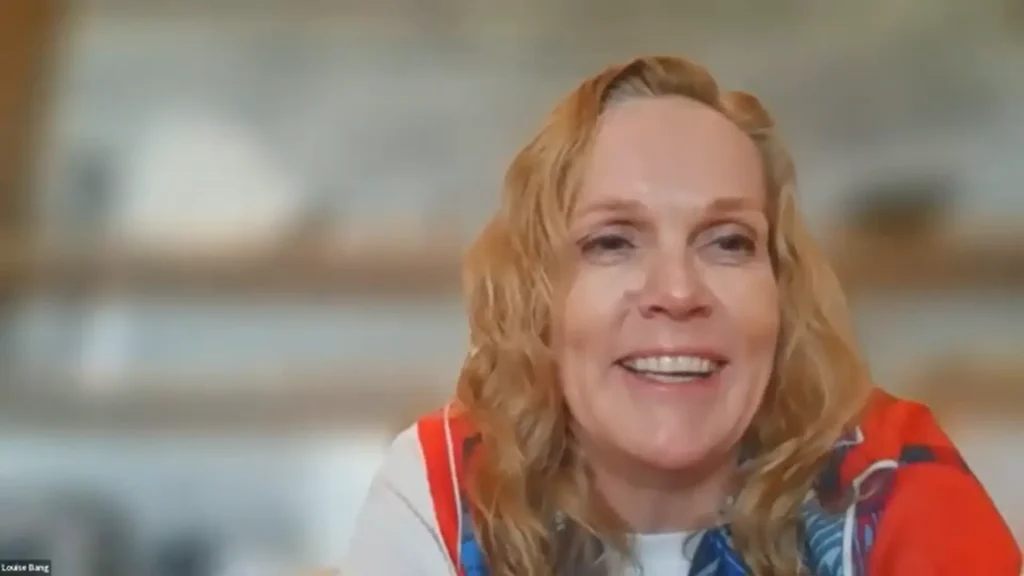
The agenda also featured Pep Pujol Mur, from NIO, who spoke about strategic leadership in the future of mobility with a clear message: innovation for the sake of innovation is not enough—innovation creates value when it solves real problems. Mariano Giralt distinguished diversity from inclusion and highlighted the value of reverse mentoring. Matthias Malessa, from Campus M Munich, encouraged participants to embrace mistakes and feedback, summarizing the growth mindset in a single word: yet, a word that transforms “I can’t” into “I can’t yet.” The program concluded with Louise Bang, Chief Commercial Services Officer, CALA, Marriott International, who shared her perspective on the journey from strong performance to sustained excellence.
Conclusion
The Global Immersion Weeks represent the defining moment of the Westfield MBA. In just a few days, they bring together everything that defines the school: applied learning, a global perspective, and a community that grows together. Participants in the June 2026 Global Immersion Weeks returned home with stronger professional networks, a broader international perspective, and one shared conviction: leadership today means developing people, strengthening organizational cultures, and creating an impact that endures.
Continue Exploring