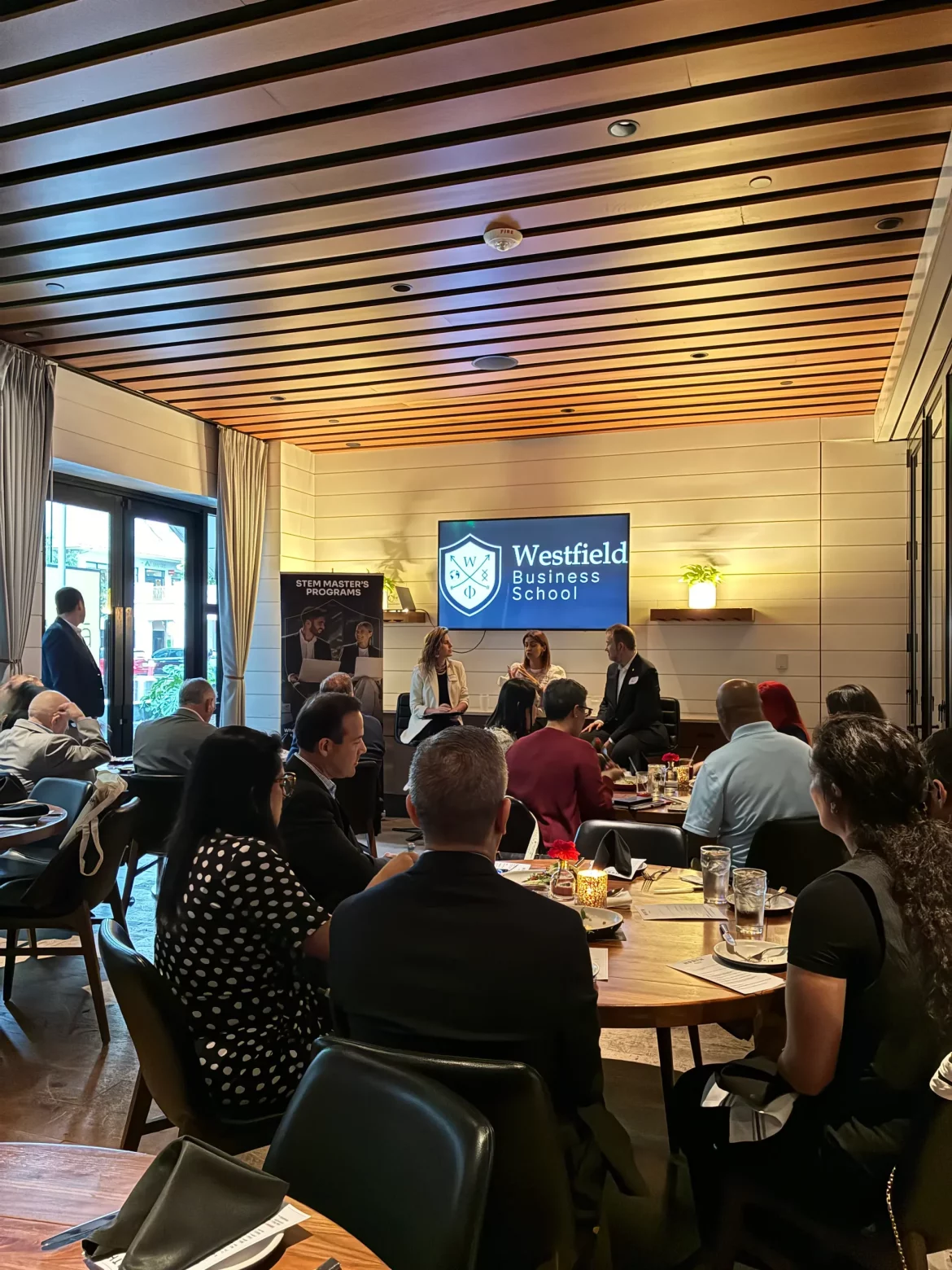
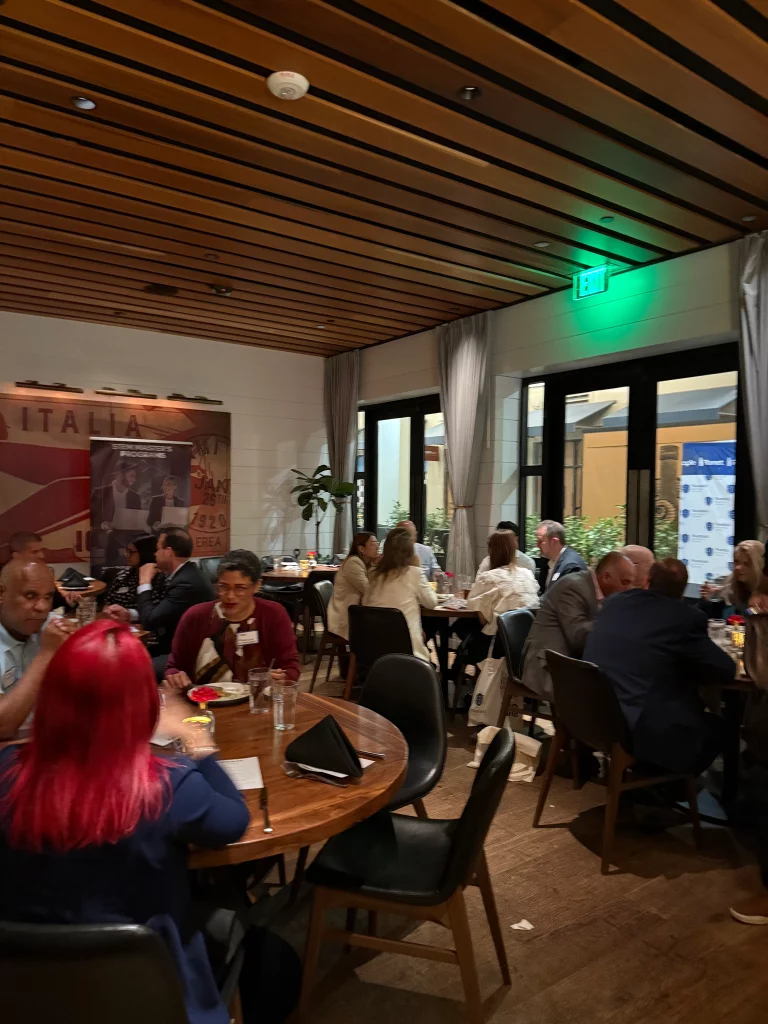
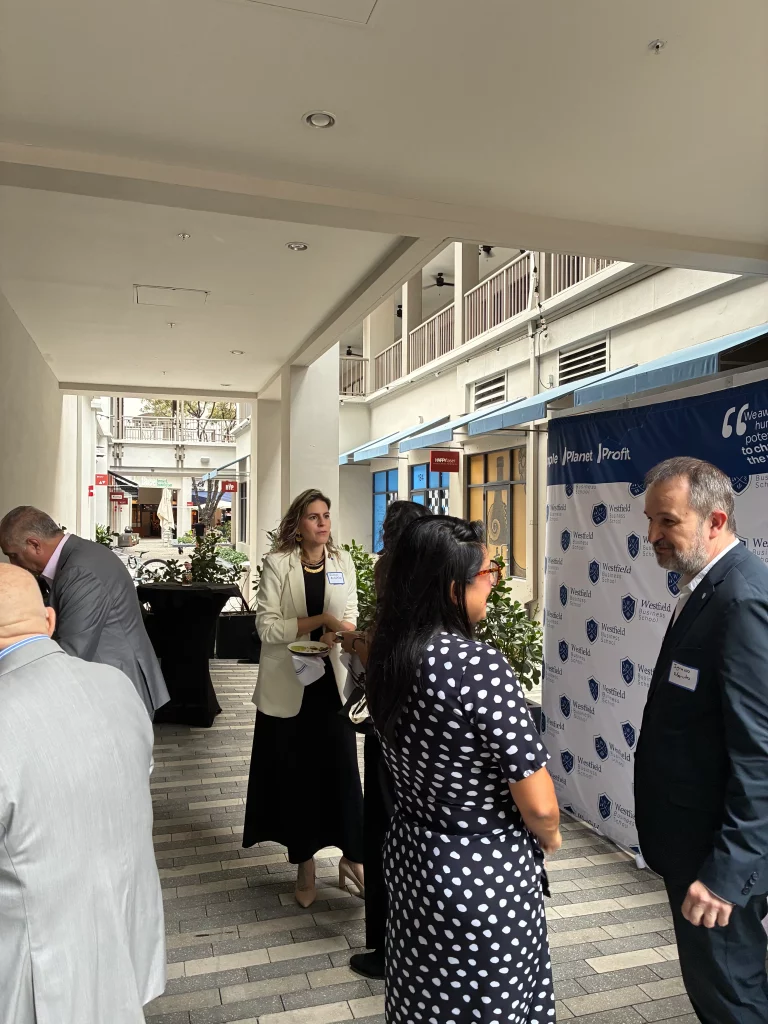
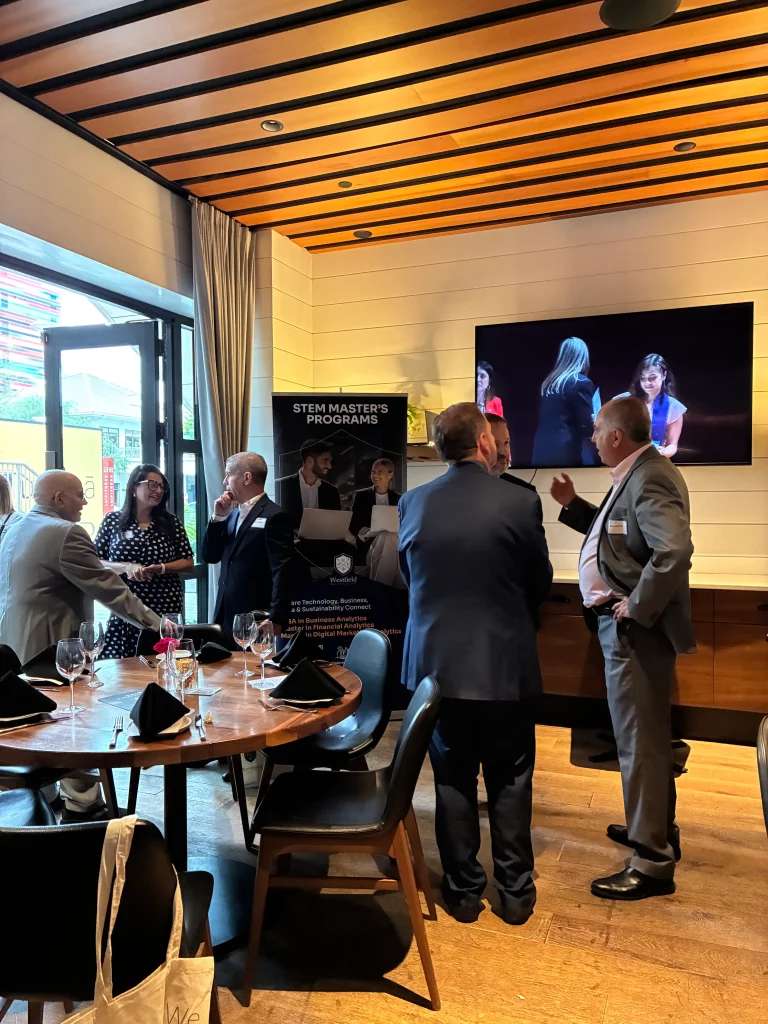
Artificial intelligence is reshaping how organizations operate, but it is also redefining what it means to lead. This perspective was explored during a leadership conversation held in Miami on April 23 at North Italia Restaurant in Brickell, where executives from diverse industries gathered to examine how data and AI are influencing decision-making, talent management, and organizational dynamics.
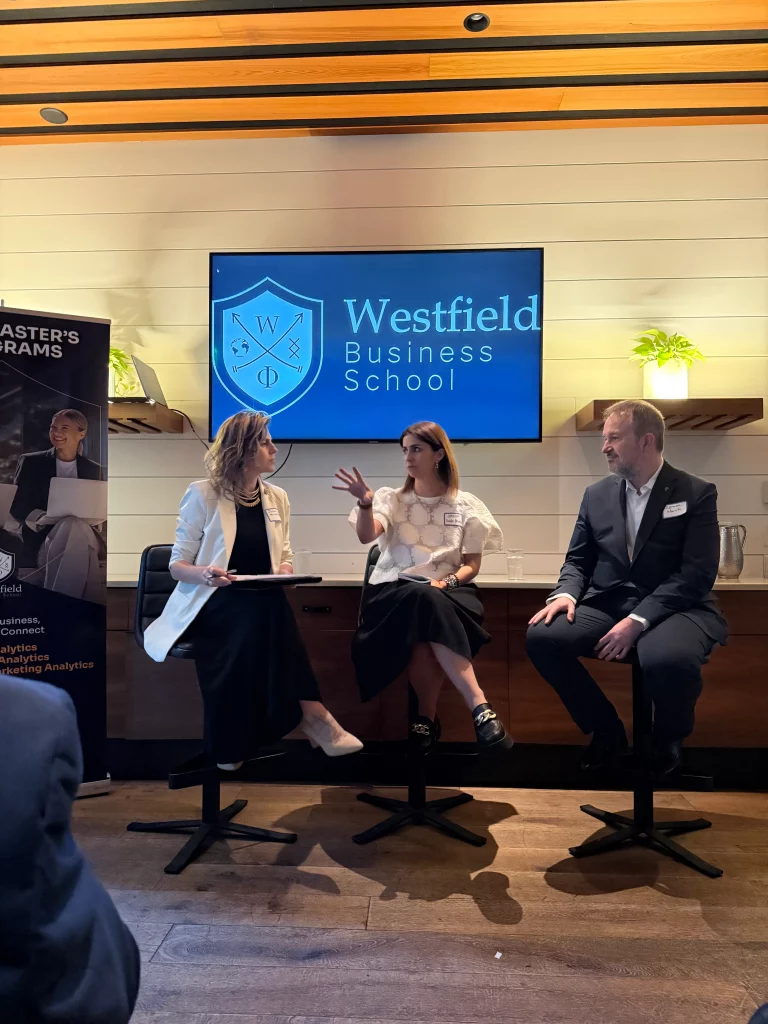
The panel, titled “Leading with Intelligence: How Data & AI Are Redefining Modern Leadership,” convened a group of global professionals in a focused exchange that reflected a broader reality: leadership today is not defined by certainty, but by the ability to navigate a continuous process of readaptation.
Leadership in transition: navigating uncertainty
A central idea throughout the conversation was that organizations are not moving toward fixed answers, but toward evolving frameworks. Leaders are being challenged to rethink how they make decisions in environments where data is abundant, but clarity is not guaranteed.
Artificial intelligence, in this context, was positioned as an amplifier of human capability. While it enables greater efficiency and analytical precision, it does not replace the need for judgment, proximity, and critical thinking. Instead, it increases the responsibility of leaders to interpret information meaningfully.
From intuition to data-driven decision-making
The discussion highlighted a shift from instinct-based leadership to models supported by data and analytics. This transition requires leaders to integrate structured information with human judgment, rather than replacing one with the other.
As organizations adopt predictive tools and advanced analytics, leadership becomes less about reacting and more about interpreting. The ability to translate data into decisions that impact people and strategy is emerging as a core capability.
The evolving leadership skillset
The panel also addressed how leadership roles are expanding. Beyond technical understanding of AI, leaders must develop emotional intelligence, adaptability, and the capacity to manage hybrid teams supported by data.
This dual capability—technical fluency and human understanding—defines a new leadership profile. Managing talent in this context involves not only efficiency, but also ethical considerations and long-term vision.
The role of AI as a strategic copilot
Artificial intelligence is increasingly integrated into organizational processes as a strategic copilot. It supports innovation, enhances performance, and enables scalability. However, its effectiveness depends on how it is used.
One of the key insights emerging from the conversation was the importance of discernment. Leadership today involves understanding when to rely on data and when to prioritize human criteria. This balance represents a critical point of maturity in AI-driven environments.
Returning to fundamentals
Amid technological acceleration, a recurring conclusion was the need to return to what is fundamentally human. Thinking, understanding context, and maintaining meaningful relationships remain essential.
The ability to think critically was highlighted as one of the most valuable attributes in leadership. While AI can process information at scale, it is human intelligence that defines how that information is interpreted and applied.
A global conversation in a local context
The diversity of participants reinforced the global nature of the discussion. Attendees from countries including the United States, Colombia, Mexico, Spain, and the Dominican Republic contributed perspectives shaped by different industries, including finance, education, energy, and retail.
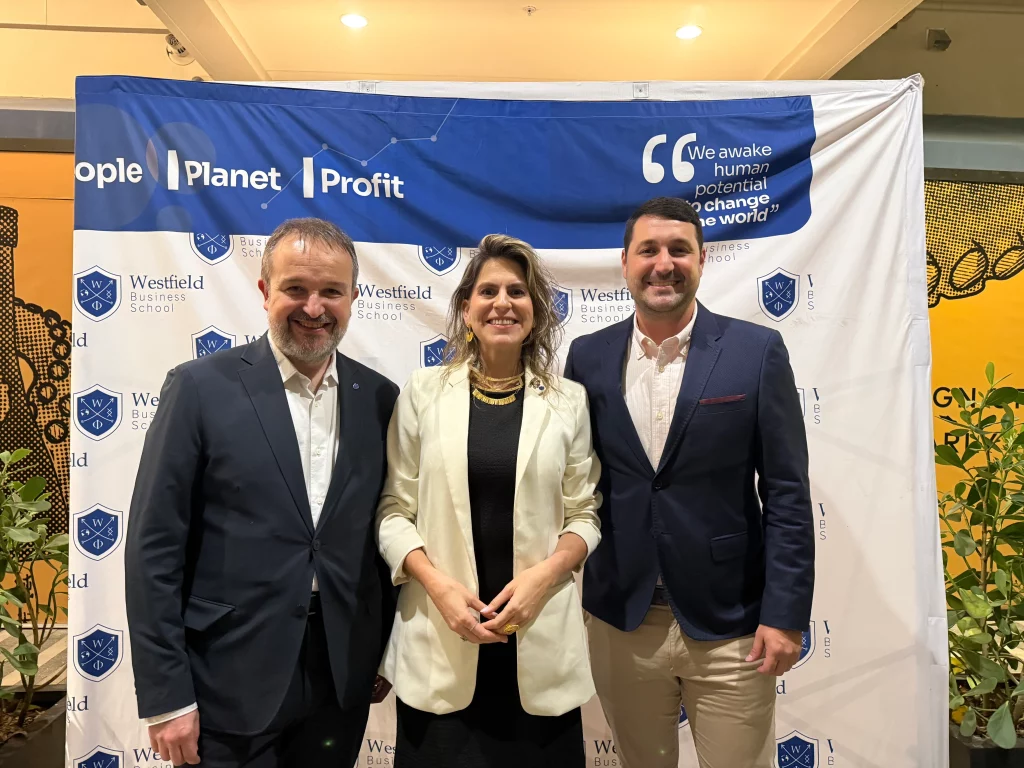
The Panelists, Ignacio Maroto, Provost of Westfield Business School, and Jimena Pacheco, Senior Manager in Talent Acquisition and Development at Sanitas Medical Center, contributed to a dialogue moderated by Juliana Arbelaez, CEO of Westfield Business School. Their perspectives reflected the intersection of academic insight and real-world leadership challenges.
Experiential learning and leadership development
This type of executive conversation reflects the broader experiential approach that defines Westfield Business School. Through initiatives such as Global Immersion Weeks (GIW) and STEM-focused programs, participants engage with real-world environments where leadership, strategy, and innovation are explored in context.
These experiences extend beyond traditional academic frameworks, connecting professionals with global ecosystems, industries, and perspectives that shape contemporary business leadership.
Conclusion
This panel demonstrated that leadership is not being replaced by artificial intelligence—it is being redefined by it. As organizations integrate data and technology into their core operations, the role of leadership becomes more complex, requiring a balance between analytical capability and human understanding.
Artificial intelligence expands what organizations can achieve, but it is human intelligence that determines how those capabilities are used. In this evolving landscape, leadership is not about having the right answers, but about asking better questions and making decisions that remain grounded in human judgment.
At Westfield Business School, these conversations are part of a continuous effort to connect academic insights with real-world leadership challenges, preparing professionals to navigate the intersection between technology and human capability.
Continue Exploring